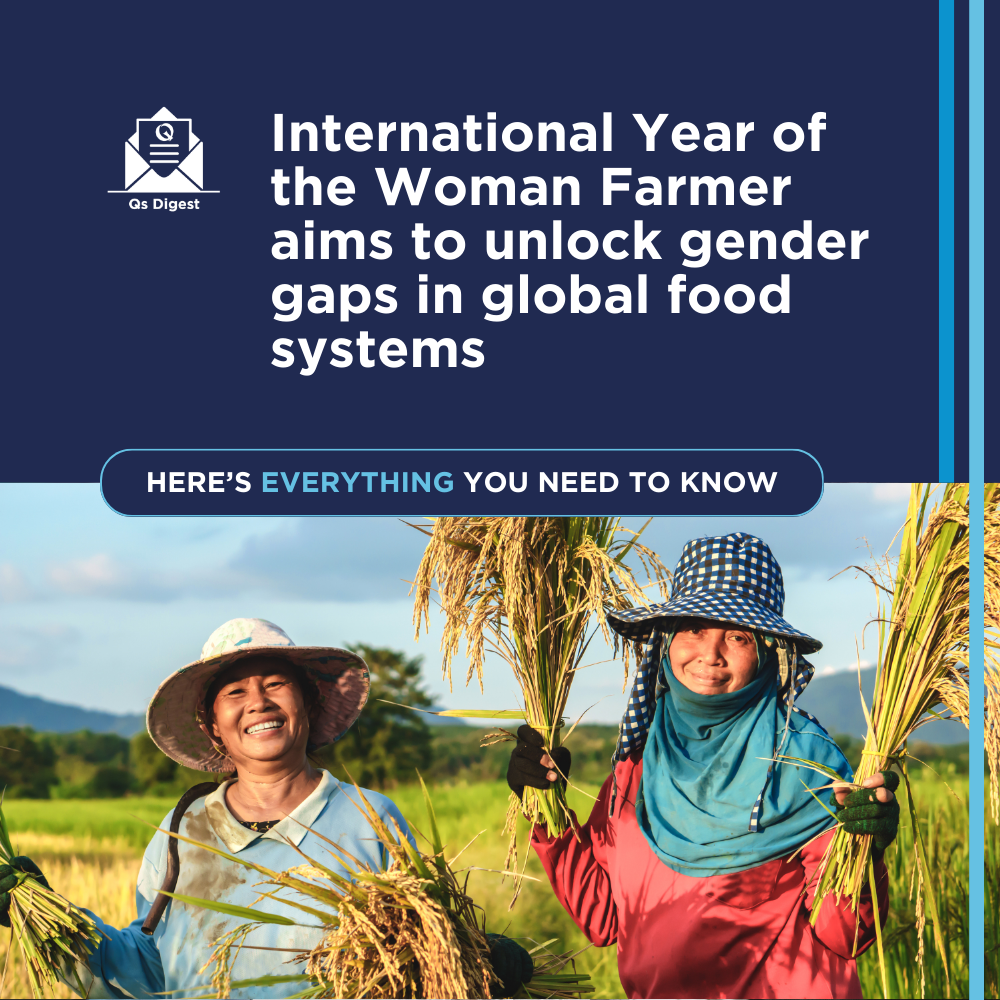
International Year of the Woman Farmer aims to unlock gender gaps in global food systems
Women smallholder farmers have called for policy changes and increased investment to bridge gender disparities, with 2026 designated as the International Year of the Woman Farmer to accelerate progress and showcase the transformative potential of empowering women in agriculture.
Women smallholder farmers have urged policymakers, funders and development agencies to remove the structural obstacles that restrict their access to land, technology, finance and markets, arguing that greater gender equality in agriculture would strengthen global food security. According to the Food and Agriculture Organization, 2026 has been declared the International Year of the Woman Farmer to spotlight these issues and accelerate action.
Campaigners at a virtual event convened by Heifer International stressed the scale of the gap: women account for a large share of food production in many countries yet face persistent barriers that lower average farm productivity. FAO analysis shows the initiative is designed to close these gender gaps because boosting women's access to productive resources can materially raise yields and reduce hunger.
Speakers at the event described the day-to-day work and leadership of women on the land. "Women farmers are protecting biodiversity, strengthening local markets and feeding vulnerable communities around the world , despite the barriers we face. Imagine what we could achieve if we had the same access to land, finance and decision-making power as men," said Josselyn Vega, an Indigenous Kichwa Panzaleo farmer from Ecuador who has led work on gender, agroecology and rural entrepreneurship. The call for recognition was echoed in other recent sector forums that have highlighted women's central role in resilient food systems.
Delegates also pointed to the catalytic effect of investment in women-led businesses. "When women farmers succeed, young people , especially young girls , see agriculture as an entrepreneurial opportunity, not a hardship. Therefore, investment in women-led agribusiness is an untapped investment in the next generation of rural entrepreneurs," said Julian Nafula Simiyu, a poultry farmer and cooperative leader in Bungoma County, Kenya. International meetings and webinars earlier this year have explored similar themes about women driving sustainable agricultural innovation.
The event brought farmers into direct dialogue with researchers and regional bodies, including representatives linked to CGIAR’s Gender Impact Platform and the Inter-American Institute for Cooperation on Agriculture, signalling an intent to bridge field experience with policy and research agendas. The United States government helped lead the push for a UN-recognised year focused on women farmers, underscoring the political momentum behind the initiative.
Heifer International's chief executive underlined that acknowledgement alone will not suffice. "If we are serious about ending hunger and building sustainable food systems, then listening to women farmers, and acting on what they say, is essential," said Surita Sandosham. Observers at recent sector events have called for concrete financing, technology transfer and legal reforms to translate such commitments into measurable gains.
Heifer used the launch to unveil a campaign titled She Has a Story to Tell, aimed at amplifying the experiences of smallholder women farmers and informing investment priorities. The organisation pointed to programme results in several countries to illustrate impact when women are supported: examples cited include notable increases in livestock output in Rwanda, climate-smart irrigation training for thousands of women in Bangladesh and strengthened income and financial decision-making among members of a Mexican egg cooperative. International development fora have repeatedly highlighted similar project-level gains as evidence that targeted support for women delivers wider community benefits.
Organisers said insights from the session will shape continued engagement with policymakers, investors and development partners through the remainder of the International Year of the Woman Farmer, with the goal of converting pledges into policy shifts and scaled investment. FAO intends the year to catalyse reforms and partnerships that make agrifood systems more inclusive and resilient.