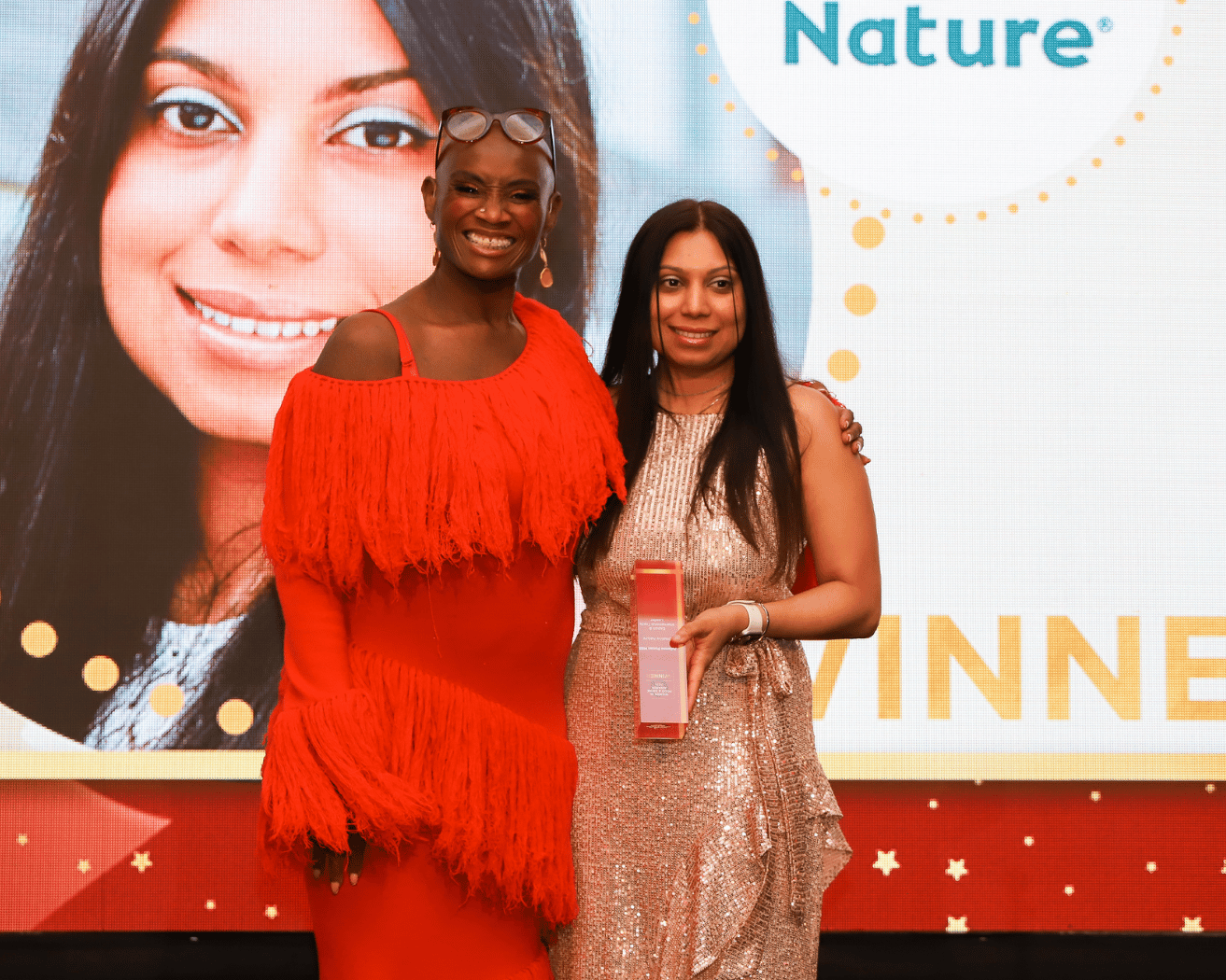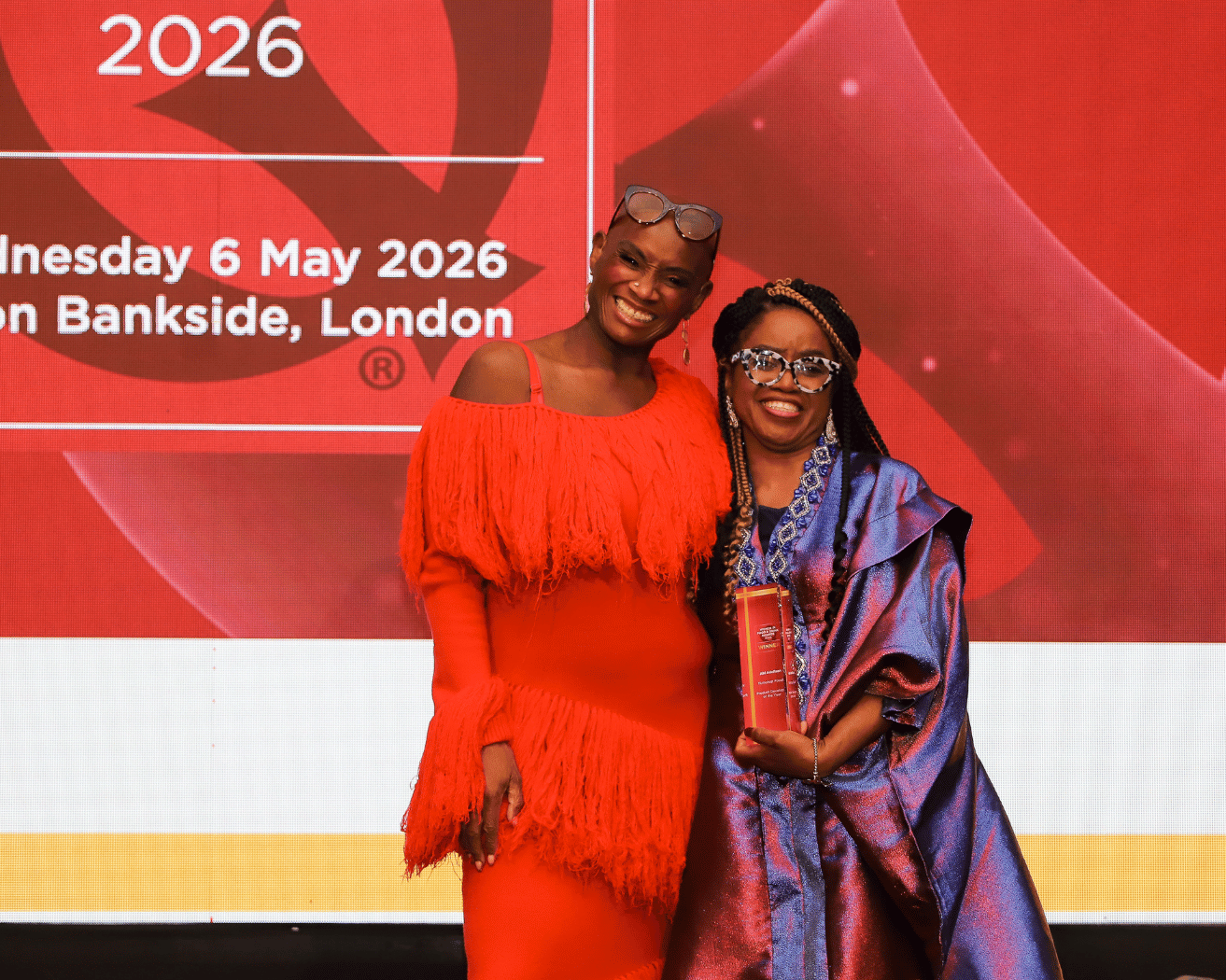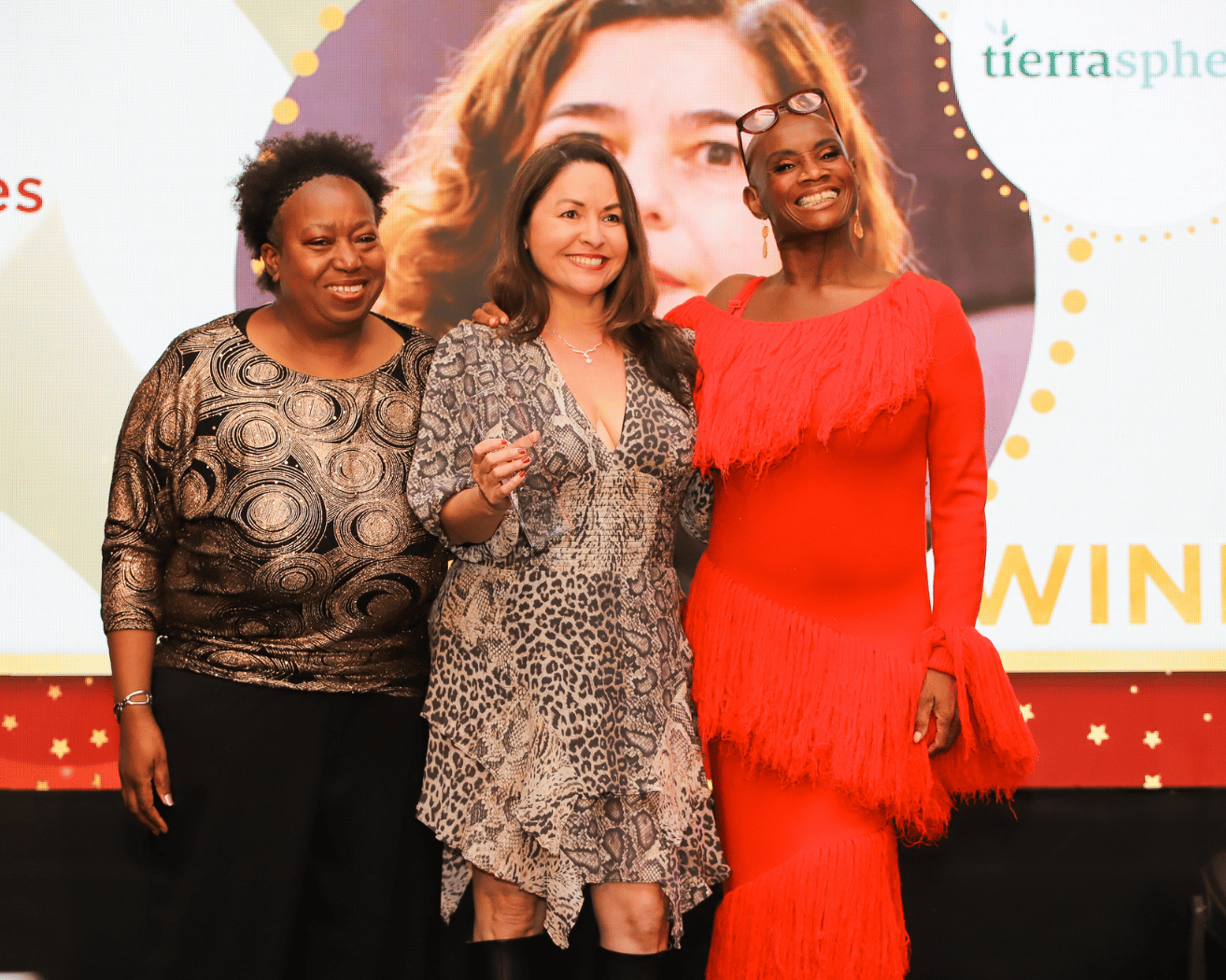
Hospitality industry sees promising progress for women in middle management but faces uphill battle at the top
While more women are climbing the ranks in hospitality through targeted programmes and visible leadership roles, challenges persist in achieving gender parity at the boardroom level, underscoring the need for sustained, inclusive talent strategies.
Michelle Steffens says her decision to build a career in hospitality grew from a straightforward conviction: the business is fundamentally about people. That emphasis on human connection sits at the centre of an industry now experiencing both tangible gains for women in leadership and persistent gaps at the top. According to industry analysis, women make up a majority of hospitality’s workforce yet remain underrepresented in senior roles, a disparity that has narrowed in recent years but not disappeared.
Steffens points to mentoring and measured, empathetic leadership as formative influences on her style, echoing broader efforts by employers to develop female talent through structured programmes. Hospitality firms have been rolling out targeted development initiatives, from company-run general manager tracks to bespoke mentorship residencies, designed to give women operational experience and sponsorship that lead to promotion. The company Atrium Hospitality recently celebrated graduates of a Female Hotel General Manager Development Program, while other groups have launched international residencies and coaching schemes aimed at women in food and beverage and hotel operations.
Those programmes appear to be having an effect at middle management levels. Multiple reports show that gender parity has largely been reached at director positions and that more women are stepping into strategic functional roles that shape culture and performance. Advocates say this visibility and ownership at director level is one reason organisational climates are changing and why more women are being entrusted with meaningful responsibility. Yet observers caution that these gains have not been evenly translated into the boardroom.
Independent research from academic benchmarks and sector watchers presents a mixed picture for senior leadership. A recent study finds that while director-level balance has improved, women's presence in partner, principal and C-suite roles remains limited and in many cases stagnant. The same analysis highlights a concentration of female leaders in traditionally female-coded functions such as human resources and sales and marketing, rather than in roles with profit-and-loss accountability or investment oversight, areas that typically lead to the highest executive offices. Additional data point to a decline in Black representation at upper levels, underscoring intersecting diversity challenges.
Industry executives including Steffens argue that the next phase must move beyond headline initiatives to embed inclusion into daily talent management: consistent sponsorship, rotational assignments that build P&L competence, and visibility for high-potential women. Companies experimenting with these approaches report early signs of stronger pipelines, but they also acknowledge the work is incremental and requires sustained investment from ownership and boards. Programmes that combine coaching, technical skills and networking opportunities are being highlighted as models to accelerate progress.
Looking ahead, sector leaders expect momentum to continue if organisations keep aligning development with opportunity. While headline figures show improvement since 2019, the industry’s ultimate test will be whether more women reach the executive suites and ownership roles that shape strategy and capital allocation. For now, the combination of targeted development programmes, visible mid-level advances and renewed emphasis on sponsorship offers a clearer pathway than before, even as advocates press for faster change at the top.