Thai women transform gastronomy with sustainability and community focus
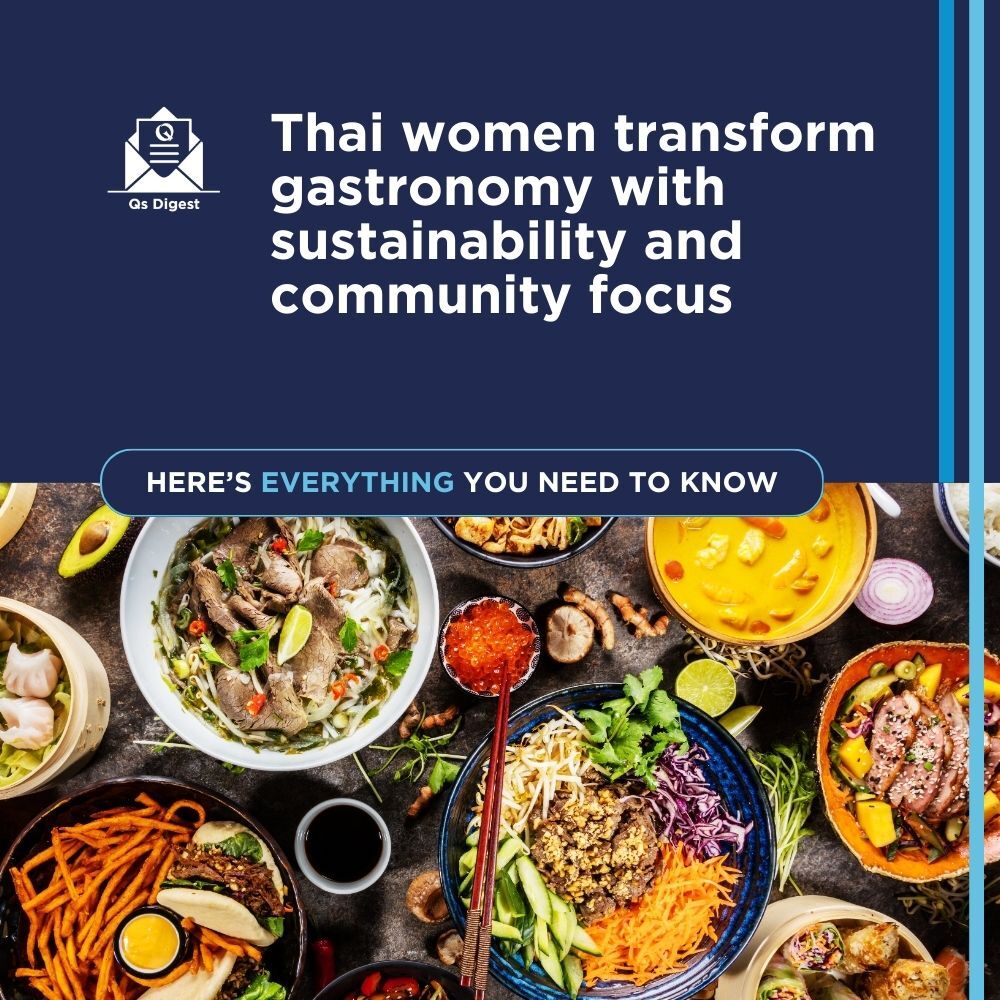
A new wave of Thai women chefs and entrepreneurs are reshaping the country's food and drink scene by emphasising local traditions, sustainability, and community-driven innovation, gaining international recognition in the process.
Thailand’s food and drink scene is being reshaped by a new generation of women who are combining culinary craft, community agency and environmental thinking to push the country’s gastronomy beyond familiar tourist tropes. Several operators are using restaurants, farms and small-scale production to knit supply chains closer to growers and fishers while elevating regional traditions for domestic and international diners.
One of the most visible pioneers is Visootha “Nikki” Lohitnavy, the winemaker and general manager at GranMonte Vineyard in Khao Yai, who trained in oenology and viticulture in Australia and leads what has become Thailand’s best-known winery. Under her stewardship GranMonte has accumulated more than a hundred awards and this year added international golds at AWC Vienna for both a Crémant and a natural Chenin Blanc, signalling that wines grown in tropical conditions can win on the global stage. Industry groups also cite GranMonte’s experimental approach to tropical viticulture and eco-conscious practices as influential in advising other producers confronting hotter climates.
In Chiang Mai, Yaowadee “Yao” Chookong has translated a pandemic-era response into a lasting model for sustainable seafood with Maadae Slowfish Kitchen. The restaurant was created to reconnect small-scale southern fishers to urban markets and now runs a hyper-seasonal menu that changes daily, centred on slow-boat catches cooked over charcoal and paired with regionally produced drinks and desserts. Critics and local food platforms have highlighted Maadae’s open-kitchen energy and collaborations that foreground local ingredients, illustrating how place-based sourcing can support livelihoods while creating compelling dining experiences.
Beyond vineyards and seafood, women across Bangkok and the north are staking out spaces that mix personal history with contemporary technique. Several restaurateurs are converting family homes into intimate dining rooms that showcase recipes passed down through generations, while others champion traditional beverages such as sato alongside natural wines and craft beers to reconnect modern palates with vernacular fermentation. These initiatives have drawn attention from chefs, hospitality professionals and food writers, reinforcing the role of small-scale hospitality as a laboratory for larger cultural shifts.
The movement extends into coffee and deli culture, where entrepreneurs are building brands that celebrate Thai-grown produce. Roasters and educators in the north are promoting single-origin arabica and training a new cohort of baristas and producers; meanwhile boutique delis in Bangkok are opening distribution channels for local cheeses, cured meats and pantry goods so artisanal makers can reach restaurants and consumers beyond their immediate regions. These commercial networks are helping to reframe Thailand as a producer of high-quality specialty food and drink rather than only a destination for mass-market tourism.
What unites these women-led projects is an emphasis on social and environmental responsibility alongside quality: from scholarship programmes that aim to widen access to culinary careers to supply-chain partnerships that prioritise fair labour and traceability. As Thailand’s gastronomic reputation evolves, these practitioners are proving that innovation rooted in local knowledge and community support can translate into international recognition and domestic resilience.